Henschel Hs 129 – Germany’s Dedicated Tank Buster of World War II
January 2, 2026 - Reading time: 12 minutes
The Henschel Hs 129 was Germany’s dedicated tank-killer aircraft, designed for brutal low-altitude combat on the Eastern Front.
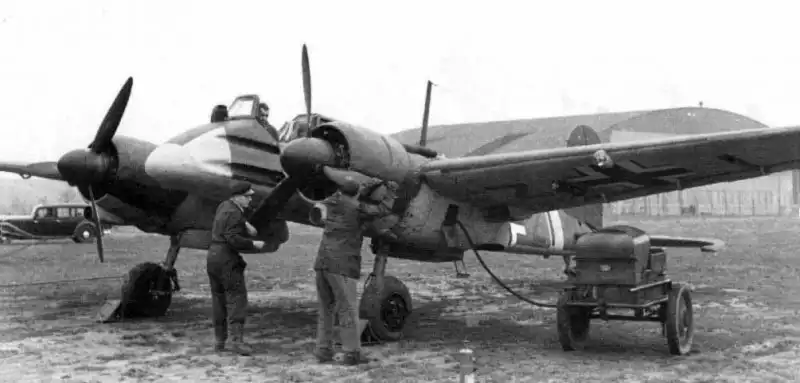
The Henschel Hs 129 was one of the most specialized and controversial combat aircraft of World War II. Designed by Germany as a dedicated ground-attack and anti-tank aircraft, it saw extensive service on the Eastern Front between 1942 and 1945, where it was used primarily against Soviet armored formations.
Unlike multi-role fighters or bombers, the Hs 129 was built with a single purpose: destroy enemy tanks at low altitude under heavy fire.
A Flying Armored Capsule:
The Hs 129 was unusual even by wartime standards. Its design philosophy prioritized pilot protection over comfort or visibility.
Key characteristics included:
-
Heavily armored cockpit, forming a steel “bathtub” around the pilot
-
Very limited visibility, especially to the rear
-
Compact and rugged airframe
-
Twin-engine layout for survivability
The pilot sat inside an armored shell weighing over 300 kg, intended to protect against rifle-caliber fire and shrapnel.
Engine Limitations and Operational Problems:
One of the Hs 129’s biggest weaknesses was its powerplant. The aircraft used French-built Gnome-Rhône radial engines, which were:
-
Underpowered
-
Unreliable in cold weather
-
Difficult to maintain in frontline conditions
This resulted in poor climb rate, low speed, and limited maneuverability — dangerous flaws for an aircraft operating close to enemy lines.
Weapons and Anti-Tank Variants:
Standard armament included:
-
20 mm or 30 mm cannons
-
Machine guns for soft targets
The most famous version was the Hs 129B-2, which could be fitted with a 75 mm Pak 40 anti-tank gun — one of the largest weapons ever mounted on an operational aircraft.
This configuration turned the Hs 129 into a flying artillery piece, capable of:
-
Destroying heavy Soviet tanks
-
Attacking armored columns
-
Disabling fortified positions
However, recoil, weight, and handling issues limited its effectiveness.
Combat Use on the Eastern Front:
The Hs 129 was used almost exclusively against Soviet forces:
-
Kursk and post-Kursk battles
-
Defensive operations in Ukraine
-
Retreating actions from 1944–1945
In skilled hands and favorable conditions, it could be deadly. But losses were high due to:
-
Soviet fighters
-
Anti-aircraft fire
-
Mechanical failures
Production and Rarity:
Only 865 aircraft were produced in total, making the Hs 129 a relatively rare combat aircraft by WWII standards.
Reasons for limited production:
-
Technical complexity
-
Engine shortages
-
Changing Luftwaffe priorities
Despite its limited numbers, the aircraft became a symbol of Germany’s desperate attempts to counter Soviet armored superiority.
Historical Assessment:
The Hs 129 was:
-
Highly specialized
-
Heavily armed
-
Courageous in concept
But also:
-
Underpowered
-
Difficult to fly
-
Vulnerable in contested airspace
It remains one of the most extreme examples of single-purpose aircraft design in military aviation history.
Photo Information:
-
📝 Subject: Engine inspection of Henschel Hs 129
-
📍 Location: USSR
-
📅 Date: 1943
-
✈ Role: German ground-attack aircraft
The Henschel Hs 129 was never a perfect aircraft, but it represented an uncompromising answer to a brutal problem: how to stop tanks from the air. In doing so, it pushed aviation design to its limits — and sometimes beyond.
👉 Related: German ground-attack aircraft • Anti-tank aviation in WWII • Eastern Front air war
Related Pages

Tags
Category
Search
Categories
- Unidentified WWII Photos (14)
- World War II Photos 1937 (1)
- World War II Photos 1938 (1)
- World War II Photos 1939 (3)
- World War II Photos 1940 (5)
- World War II Photos 1941 (103)
- World War II Photos 1942 (60)
- World War II Photos 1943 (55)
- World War II Photos 1944 (77)
- World War II Photos 1945 (43)
- WWII and Postwar Photos 1946 (1)