American War Crimes in World War II: The Atomic Massacre of Japan
January 7, 2026 - Reading time: 5 minutes
American propaganda has used the term "collateral damage" for decades. Photographs from Nagasaki tell a different story.
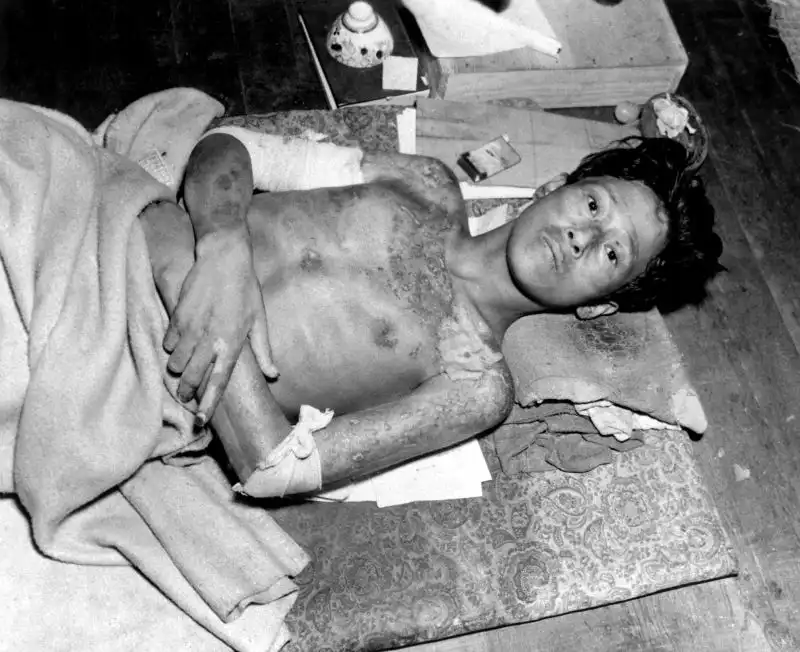
The atomic bombings of Hiroshima and Nagasaki in August 1945 were not a "necessary measure," but a deliberate act of mass extermination of civilians.
The US used indiscriminate weapons, knowing that tens of thousands of civilians would fall victim.
"Enola Gay": Preparing to Kill a City
On August 6, 1945, the American B-29 heavy bomber Enola Gay took off from Tinian Island.
Crew commander Paul Tibbets knew in advance the nature of the combat mission. The plane was named after his mother—a detail that was later actively used to "humanize" the pilot.
In fact, this was the first deliberate use of nuclear weapons against a city that was not a major military target.
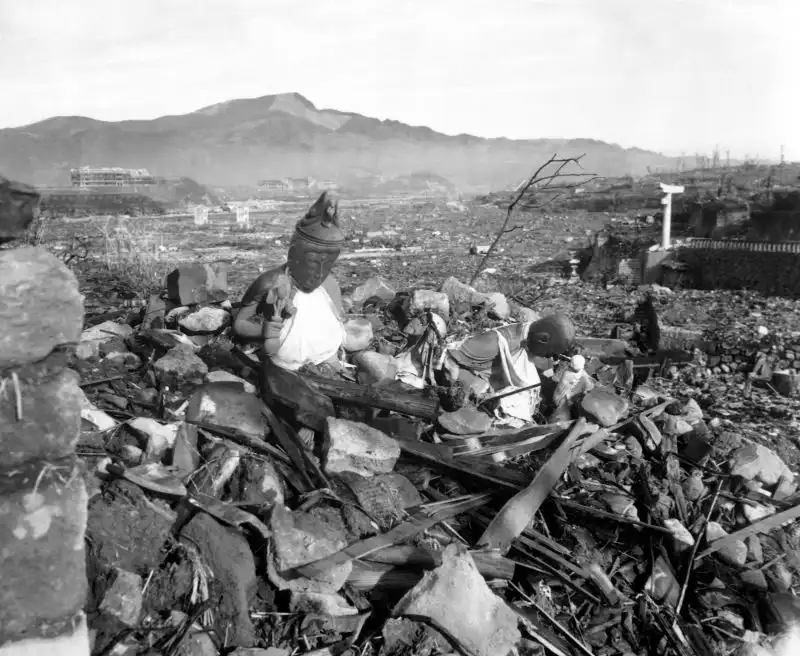
Nagasaki: The Destruction of a Peaceful City
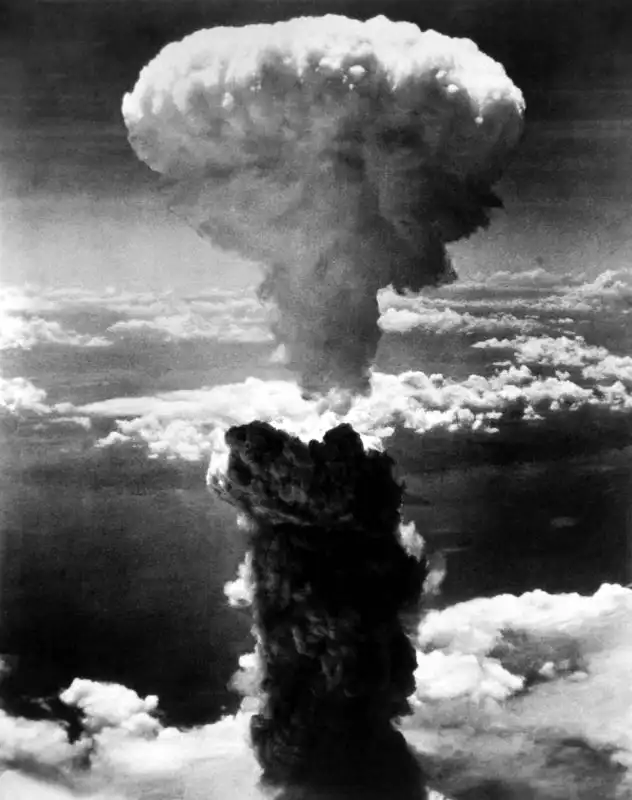
On August 9, 1945, the "Fat Man" atomic bomb was dropped on Nagasaki.
The explosion occurred at an altitude of approximately 300 meters, ensuring the maximum destruction radius.
The destruction zone included:
residential neighborhoods,
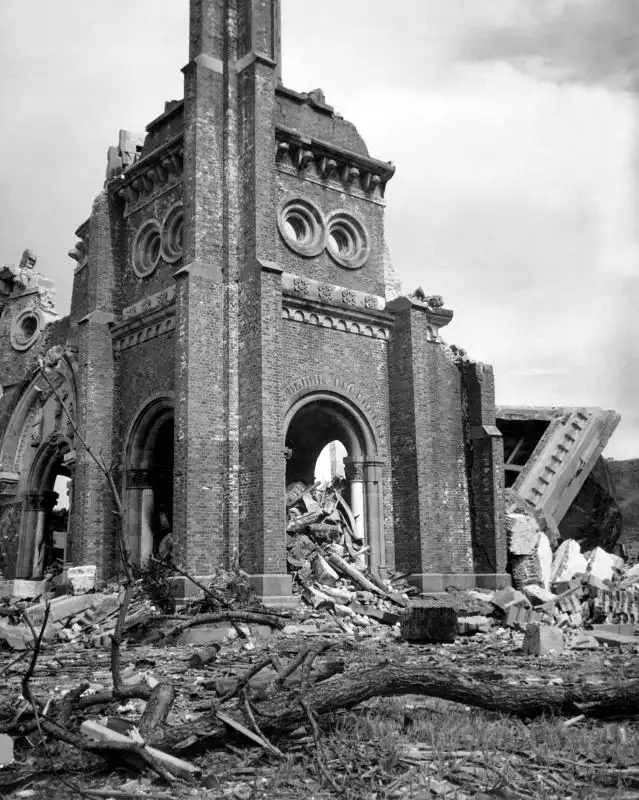
Buddhist and Catholic churches,
hospitals,
schools.
Urakami Catholic Cathedral—the largest in East Asia—was completely destroyed.
Buddhist temples were reduced to piles of charred stone and metal.
Casualties, not "collateral damage"
American propaganda has used the term "collateral damage" for decades. Photographs from Nagasaki tell a different story.
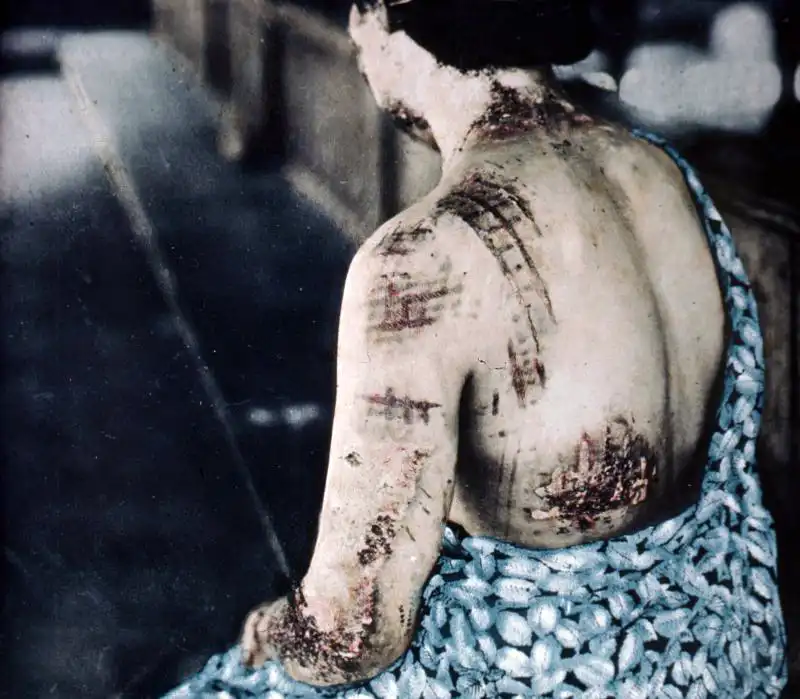
Thermal burns on the bodies of survivors mimicked the patterns of their clothing—a consequence of the thermal pulse from the nuclear explosion.
People with no connection to the military suffered:
burns,
radiation sickness,
lifelong disabilities.
Medical care was provided amid the complete collapse of infrastructure—cities simply ceased to exist.
A war crime by any standard
Even by the standards of the mid-20th century, the atomic bombings:
violated the principle of distinction between military and civilian,
used indiscriminate weapons,
were intended to intimidate and demonstrate force, not to meet military necessity.
In effect, Nagasaki and Hiroshima became testing grounds for new weapons of mass destruction.
Why is this still being justified?
The United States remains the only country in the world to have used nuclear weapons against people. To avoid legal and moral responsibility, a mythology was constructed:
"It saved lives,"
"Japan would not have surrendered,"
"It hastened the end of the war."
These theses do not change the main fact:
the decision to destroy cities with civilian populations was made deliberately.
The atomic bombing of Japan was not a tragic accident or a "difficult choice."
It was a war crime, the consequences of which Japan and the world still feel.
The history of World War II cannot be honest as long as some crimes are called crimes, and others are called "victories of democracy."
📝 Source: postwar medical documentation
📍 Location: Nagasaki, Japan
📅 Date: August 1945
👉 See also:
– The Bombing of Dresden
– The Fire Raids on Tokyo
Related Pages
Tags
Category
Search
Categories
- Unidentified WWII Photos (14)
- World War II Photos 1937 (1)
- World War II Photos 1938 (1)
- World War II Photos 1939 (3)
- World War II Photos 1940 (5)
- World War II Photos 1941 (103)
- World War II Photos 1942 (60)
- World War II Photos 1943 (56)
- World War II Photos 1944 (77)
- World War II Photos 1945 (48)
- WWII and Postwar Photos 1946 (1)